A Note of Thanks From Meducate Academy — A Moment of Reflection
As the year draws to a close, it feels right to pause—not to summarise outputs or celebrate growth for its own sake, but to acknowledge the people and conversations that helped keep the Meducate Academy message alive and honest.
This year was never about scale, visibility, or chasing whatever educational trend happened to be loudest at the time. It was about better conversations. Slower thinking. Deeper learning. And, at times, about deliberately resisting the quiet drift of education away from real clinical practice and into performance, paperwork, and theatre.
Education, when it works, should feel slightly uncomfortable. If it doesn’t, it’s probably not doing much.
Working alongside colleagues at the University of Birmingham and University of Wolverhampton reinforced that belief again and again. Thank you to Adam Vasco, Sarah Baig, Obaida Ahmed, and James Ennis for engaging with ideas rather than simply agreeing with them. What these collaborations reminded me of is something deceptively simple: education only functions when it remains grounded in reality—messy, uncertain, human reality. Once it loses that contact, it stops being education and starts becoming performance.
If education loses contact with real practice, it becomes theatre.
Well-rehearsed. Well-intentioned. And largely irrelevant.
The same grounding came through regional networks that consistently kept discussion honest and practical. The Black Country Hub, BPNG, and BOTP weren’t about ticking boxes or broadcasting expertise; they were about making space for real dialogue. Thanks to Indy, Parbir, Gary Tyson, Julie Brooks, and Ashfaq for creating environments where people could say, “I’m not sure,” without fear of being judged. In a system obsessed with certainty, those spaces matter more than most people realise.
I’m also deeply grateful for the continued support of Emma Lomas at the Coventry and Warwick Training Hub, Emma McAllister and Alice Fitzpatrick at Newcastle University’s Physician Associate Programme, and colleagues at the ROH Education Hub—Uzo Ehiogu, David Richardson, Georgia, Leigh, and Brett.
What connects all of you is a shared understanding that meaningful education takes time, trust, and integrity. There are no shortcuts. No hacks. No glossy frameworks that magically replace thoughtful teaching and honest conversation.
One of the quiet myths in professional education is that people need more motivation. They don’t. Most clinicians are already motivated to exhaustion. What they actually need is permission—to think, to question, to doubt, and occasionally to say, “This doesn’t make sense.”
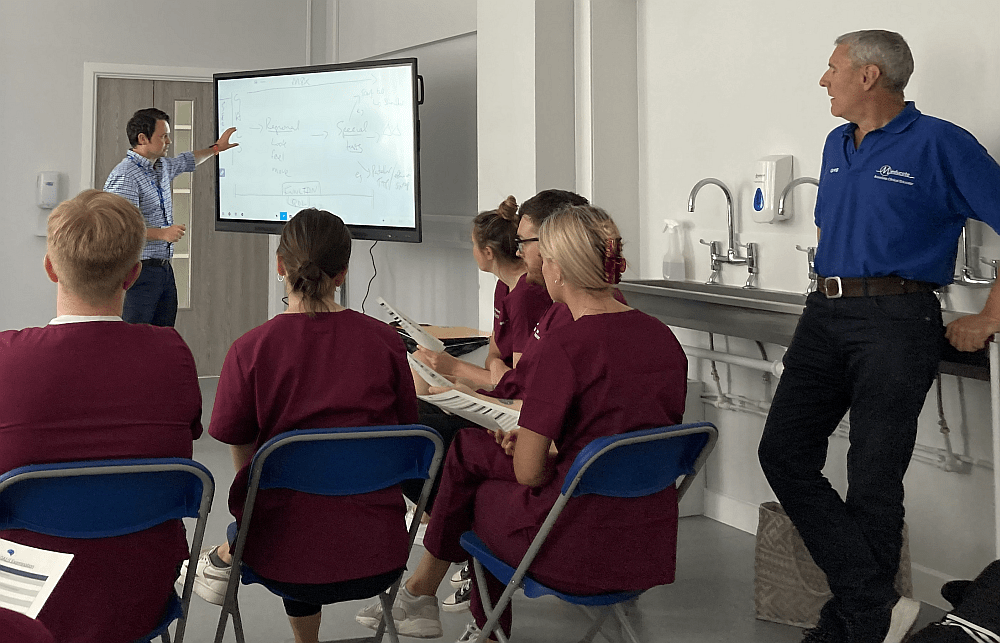
Refining our training this year wasn’t about adding new layers or clever terminology. It was about subtraction. Removing noise. Stripping away performative elements that look impressive but add little to real learning. That work doesn’t happen without people willing to keep things rooted in practice, even when it’s inconvenient. Thank you to Ruth Edwards, Ruth Newton, and our Associate Clinical EducatorsTM, whose experience in medical roleplay and clinical examinations continually brought us back to what learners actually face, not what we imagine they face from a distance.
One learner captured the spirit of this approach better than any evaluation form ever could:
“This is the first course in a long time that didn’t treat us like we couldn’t think for ourselves.”
That sentence alone made the year worthwhile.
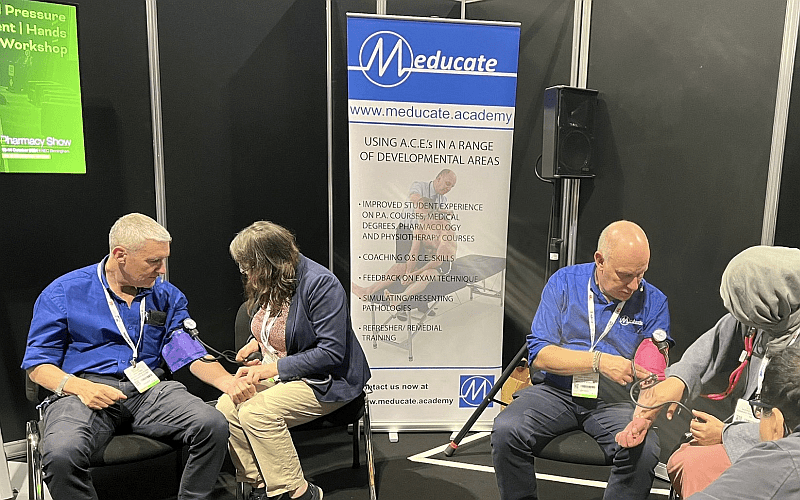
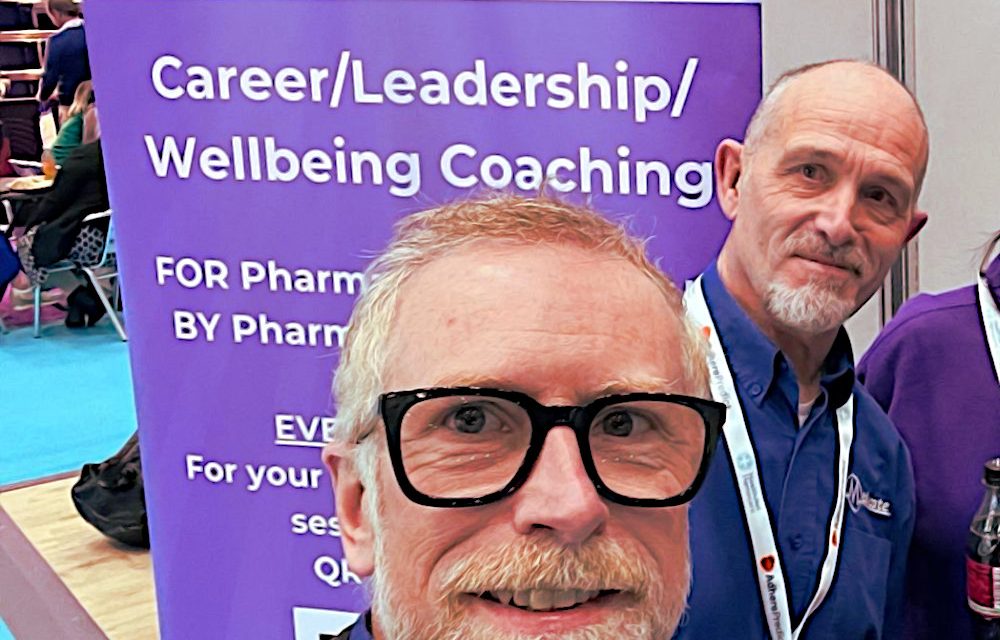
A particular thank you goes to Gary Tyson and his team at The Pharmacy Show, who continue to believe in what we’re trying to do. We’re honoured to be educational partners once again for 2026. The many conversations sparked—on stage, off stage, and across LinkedIn—reinforced a simple truth: we don’t need better slogans, catchier acronyms, or shinier mission statements.
We need better questions.
Questions that don’t have neat answers. Questions that slow people down rather than rushing them forward. Questions that reconnect education with judgment, context, and responsibility.
This year also reminded me how valuable disagreement can be. Not performative disagreement, but thoughtful challenge. The people who questioned our assumptions, pushed back on ideas, or refused to accept easy narratives shaped Meducate Academy just as much as those who supported us from the outset. If anything, they shaped it more.
So thank you—to everyone who taught, challenged, supported, questioned, or openly disagreed. You’ve helped shape what Meducate Academy is becoming: not a brand, not a product, but an ongoing conversation about what education should be when it respects the intelligence of the people in the room.
As we move into the next year, the direction remains the same. Fewer slogans. Fewer shortcuts. More thinking. More honesty. More contact with real practice.
If that resonates, you know where to find us.
Start a conversation, especially if you disagree at Meducate Academy
That’s where the real learning begins.
For an informal chat, please get in touch with me: bobspour@meducateacademy.com or on 07870 611850